
A gentle guide to reconnecting with your body, intuition, and inner rhythm
Embodiment is the experience of truly living inside your body — not just thinking about it, but feeling it, listening to it, and allowing it to guide you.
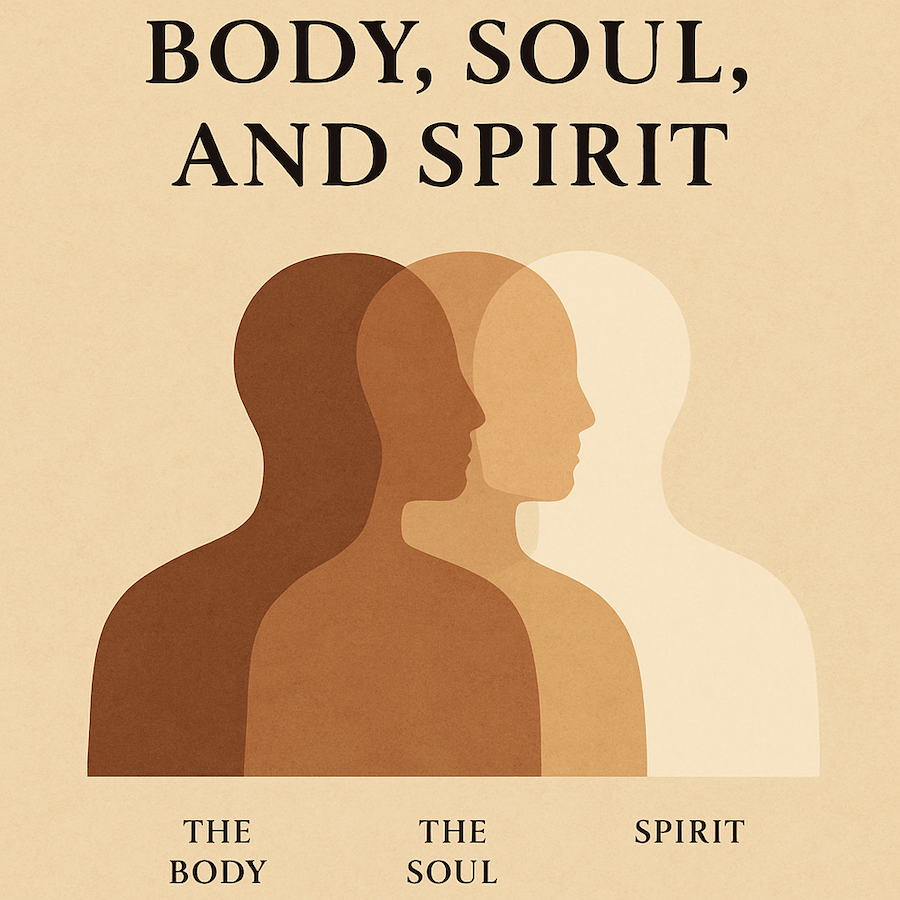
It’s where your mind, body, and spirit come into conversation. When you’re embodied, life begins to feel more fluid. Decisions become clearer. Intuition strengthens. Your body becomes a reliable signal, helping you sense what feels aligned and what doesn’t.
Below is a gentle, trauma-informed pathway back into your body. Each step builds on the one before it, offering a supportive way to reconnect with your inner guidance system.
You can use these steps to begin exploring what it feels like to be present in your body. Take time with each section, noticing your own experience as it unfolds. Over time, this practice helps open communication between your mind and body in a natural, organic way. If anything doesn’t feel right for you, adjust it to better support your energy.
Spend a minute or two with each step, or longer if needed, and move on only when you feel complete. There’s no need to name or analyze sensations as they arise — simply noticing is enough. And if nothing seems to happen at first, that’s okay. This is just the beginning of learning the language of your body.
1. Create Comfort
Embodiment begins with safety and softness.
Find a position where your body feels supported — a cozy chair, your bed, a quiet spot on the floor, wrapped in blankets, near a pet, dim lights or warm sunlight.
The goal: reduce external noise so you can hear the internal whispers.
Comfort is the foundation of nervous-system regulation.
2. Orient to Safety
Before going inward, let your body register that you’re safe.
Slowly look around the room and notice:
- colors
- shapes
- textures
- anything that feels neutral or comforting
Let your eyes land on something pleasant or grounding.
This signals to your nervous system that it’s okay to settle.
3. Slow Down
Once you feel settled, begin to slow your pace.
This includes:
- slowing your thoughts
- slowing your breath
- allowing small adjustments your body naturally asks for
This shift from “doing” to “being” is the doorway into embodiment.
4. Breathe Deeply (Gentle Rhythmic Breath)
Breath is your anchor.
Try this:
- one hand on your belly
- one hand on your chest
- inhale → belly rises → ribs expand → chest lifts
- exhale → chest softens → ribs settle → belly releases
Go slowly.
No forcing.
Let your breath be a soft wave that unwinds you from the inside out.
If tension appears, breathe into it gently and let the exhale soften what it can.
5. Ground Your Body
Bring awareness to the places where your body meets the surface beneath you:
- feet
- thighs
- sit bones
- back
- shoulders
- head
Feel your weight being held.
Imagine your energy settling downward into the chair, the bed, or the earth.
Grounding helps you stay present, especially if you tend to dissociate or “float” during relaxation.
6. Tune In
Close your eyes. Begin listening inward.
Notice the first sensations that arise:
- sense of calm
- heaviness
- tingling
- warmth
- coolness
- pressure
- tightness
- numbness
Let your awareness gently land wherever your body calls your attention, without needing to change or name anything.
7. Notice Sensations
Noticing is curiosity without judgment.
Ask:
- What am I feeling here?
- Is this tense, soft, irritated, buzzy, or calm?
This step teaches you the language of your body. There’s no need to label or explain the sensation — simply notice it.
8. Track What Shifts
Sensations rarely stay still when we bring awareness to it.
Observe:
- Does it move?
- Does it soften?
- Does it grow louder?
- Does the temperature shift?
Tracking builds presence and tolerance — it helps you stay in your body without rushing to fix or escape.
9. Listen to the Meaning
Once you’ve noticed and tracked sensation, you can begin interpreting it. If no meaning arises, that’s okay too. The body doesn’t communicate well under pressure.
Ask:
- What might my body be trying to tell me?
- Is this a protective pattern?
- Is this discomfort emotional or physical?
- Does this feel like a “yes,” a “no,” or a call for attention?
Examples:
- lifted shoulders may be an old protective habit
- a clenched jaw may reflect lingering stress
- a contracted belly may signal misalignment or concern
This is where your mind and body begin to speak clearly with each other. At this stage, there’s no need to fix anything — bringing awareness alone begins the shift.
10. Move or Adjust as Needed
Embodiment isn’t passive.
After listening, offer your body what it asks for:
- stretch
- shift posture
- shake out tension
- roll your neck
- soften your jaw
- adjust your legs
Movement integrates what your body is processing and helps energy flow more freely.
11. Receive Guidance
This is the intuitive stage. This comes with continued practice of connecting mind and body.
When your system feels safe and open, guidance comes through as:
- gut feelings
- subtle knowing
- clarity
- attraction toward something
- repulsion away from something
- insights that bypass logic
This is where embodiment becomes intuition — your body becomes a compass.
12. Close Gently + Return
To return fully to the present moment:
- take one more slow breath
- wiggle your fingers and toes
- let your eyes open softly
- move at your own pace
Closing gently allows the work to integrate, helping your system transition back into activity with ease.
Conclusion
Becoming embodied is becoming yourself again — connected, intuitive, grounded, and clear.
The more you listen, the more your body speaks.
The more you slow down, the more life begins to align.
Take a few moments each day — before bed, in nature, or during a quiet pause — to slow down, breathe, and tune inward. Even choosing one or two of these steps is enough to begin. Every small moment of attention matters.
Over time, embodiment becomes easier to access, and the language of your body grows clearer and more familiar.
Your body already knows the way.
Your only task is to stay curious and listen.
Book Your Integrative Healing Session
If you’re ready to feel more grounded, clear, and connected, I offer one-on-one Integrative Healing sessions. You can book at amberboynton.com.
Amber Boynton, APP, EPP, LMT
Integrative Healing Practitioner


Leave a comment